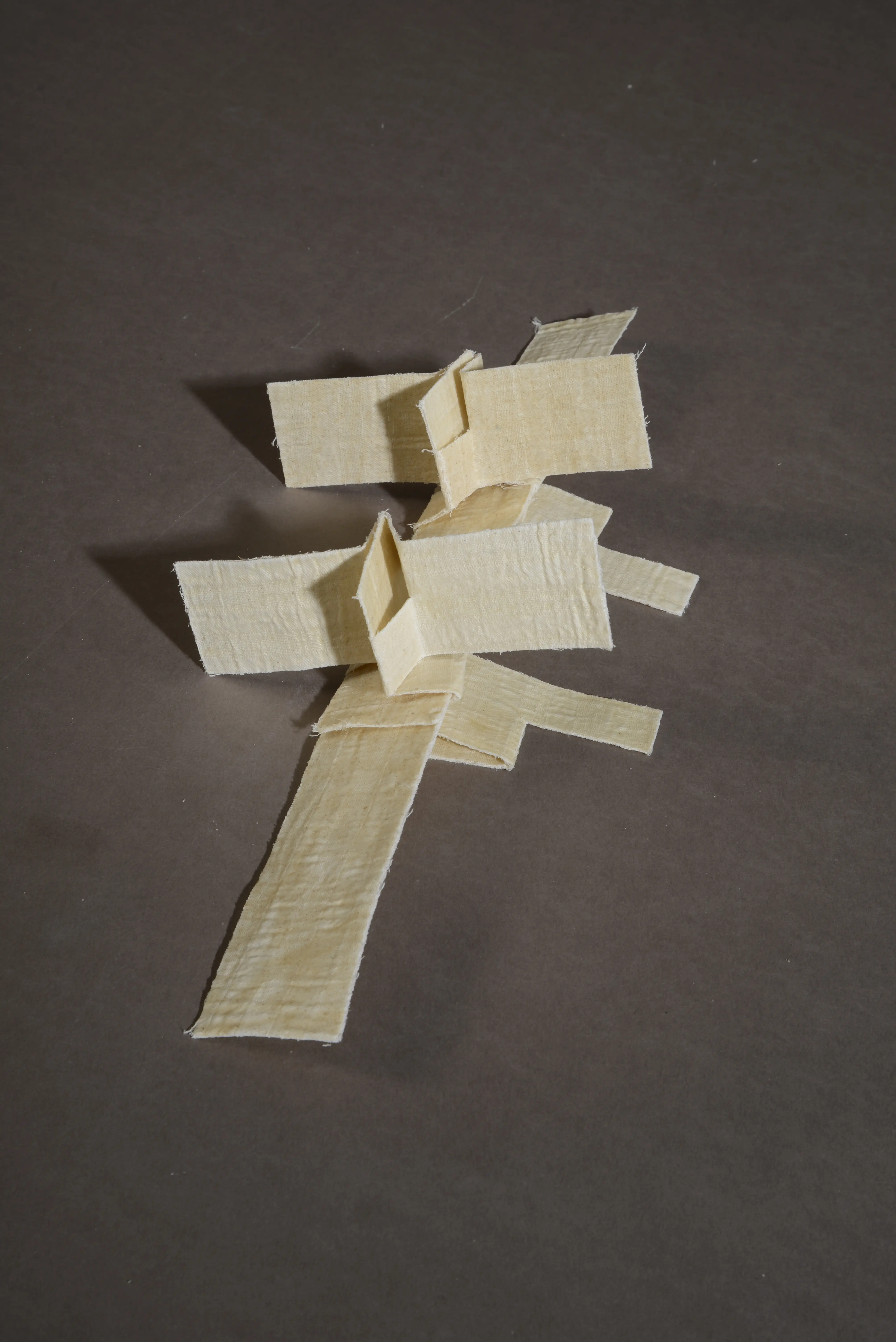
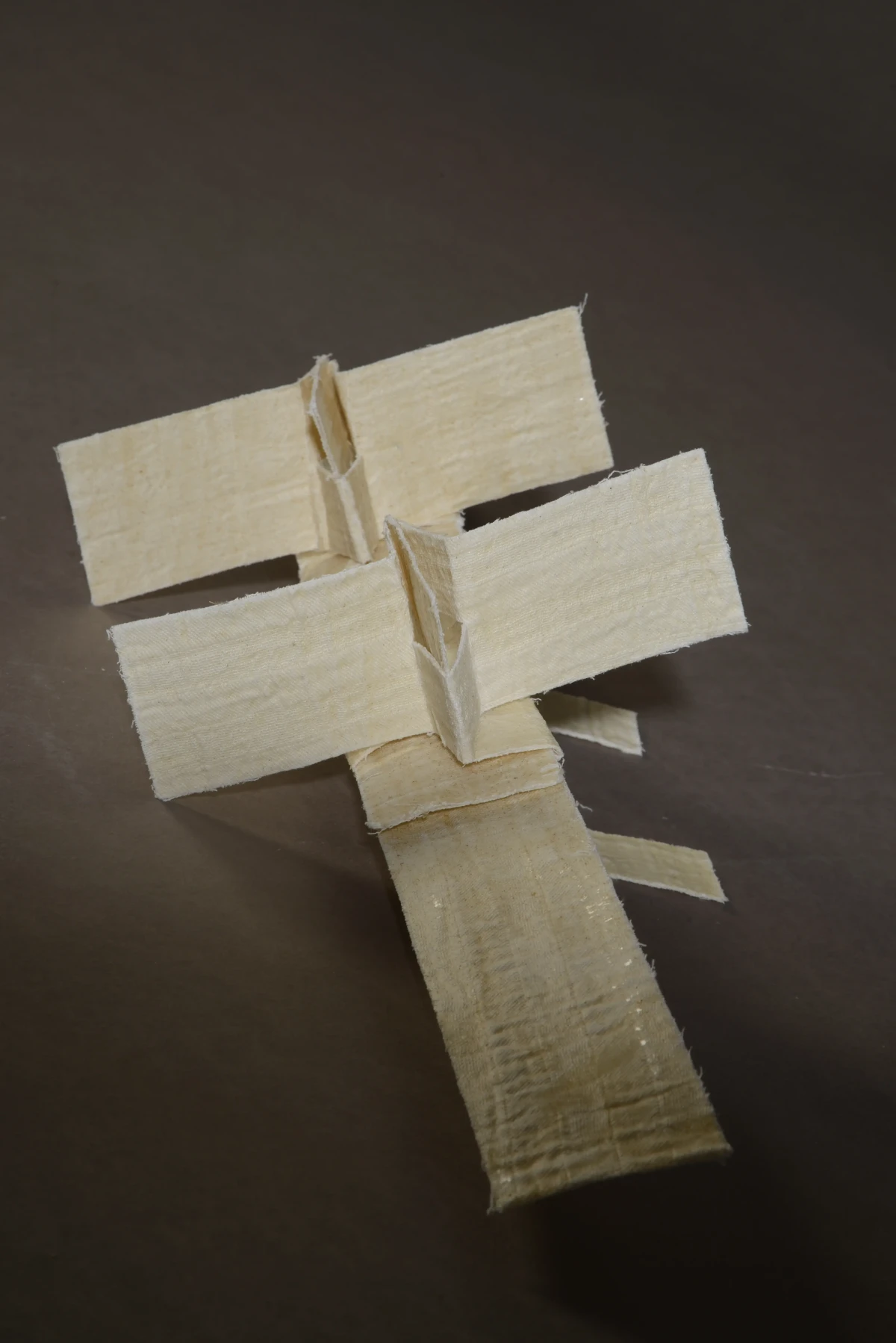
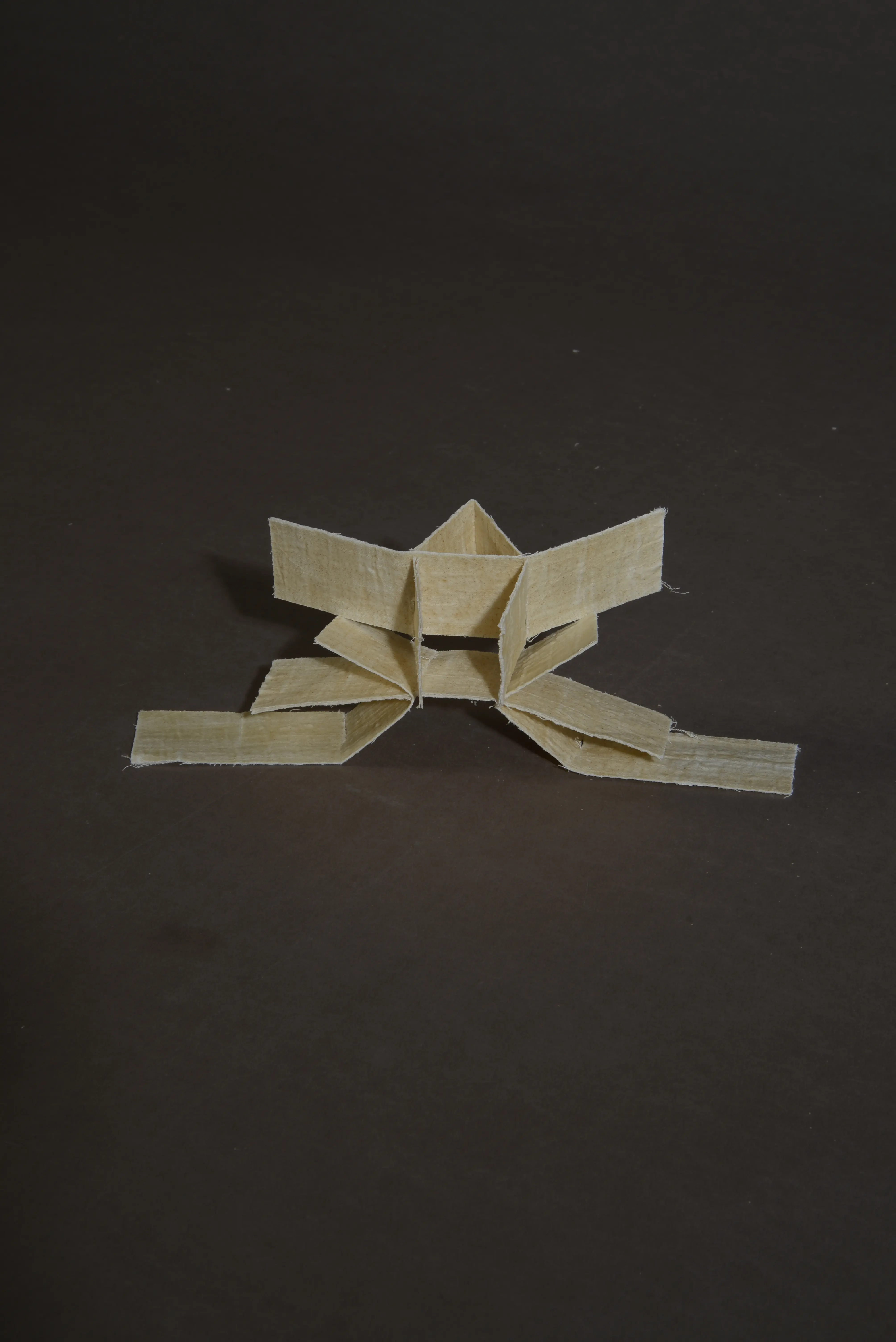
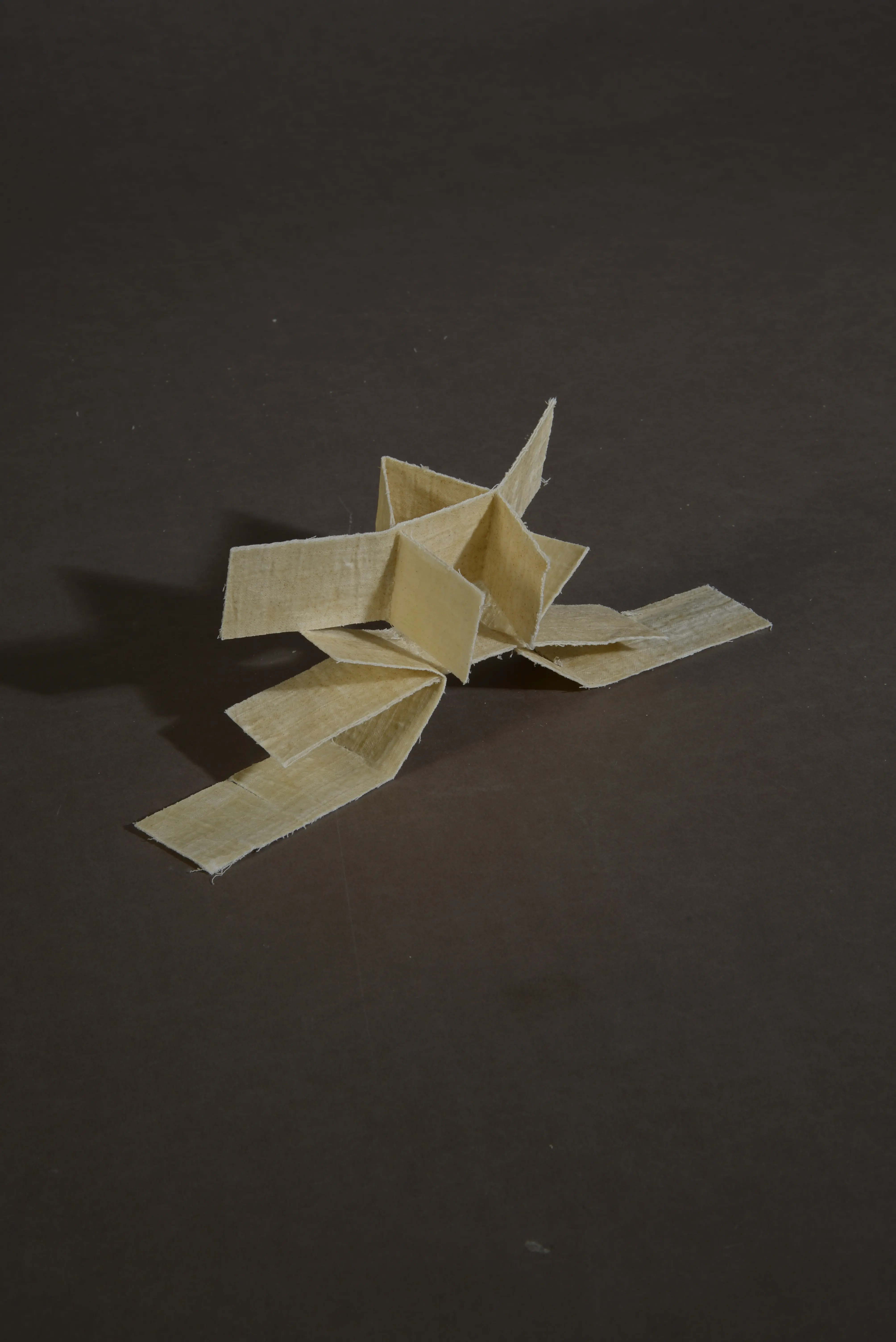
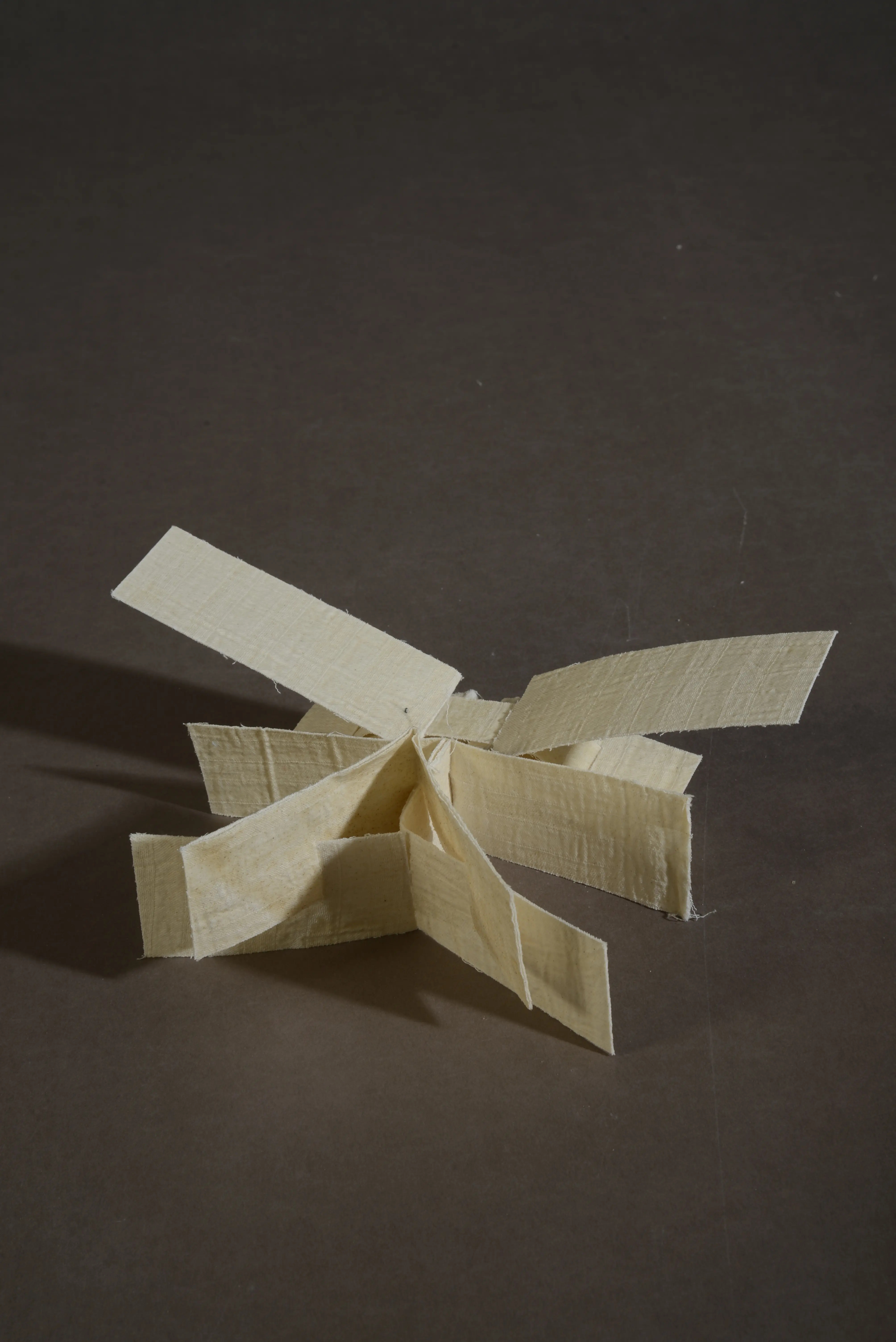
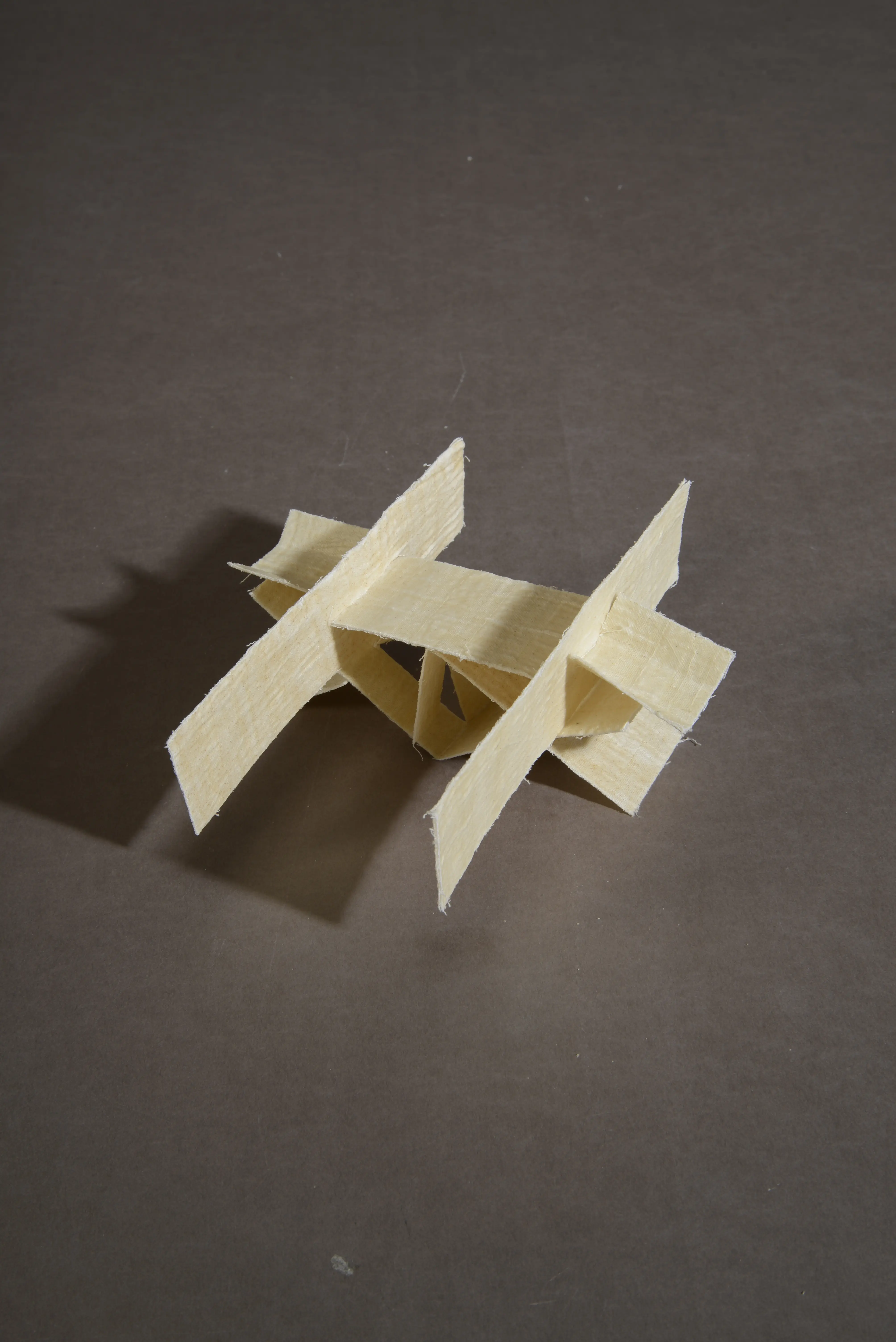
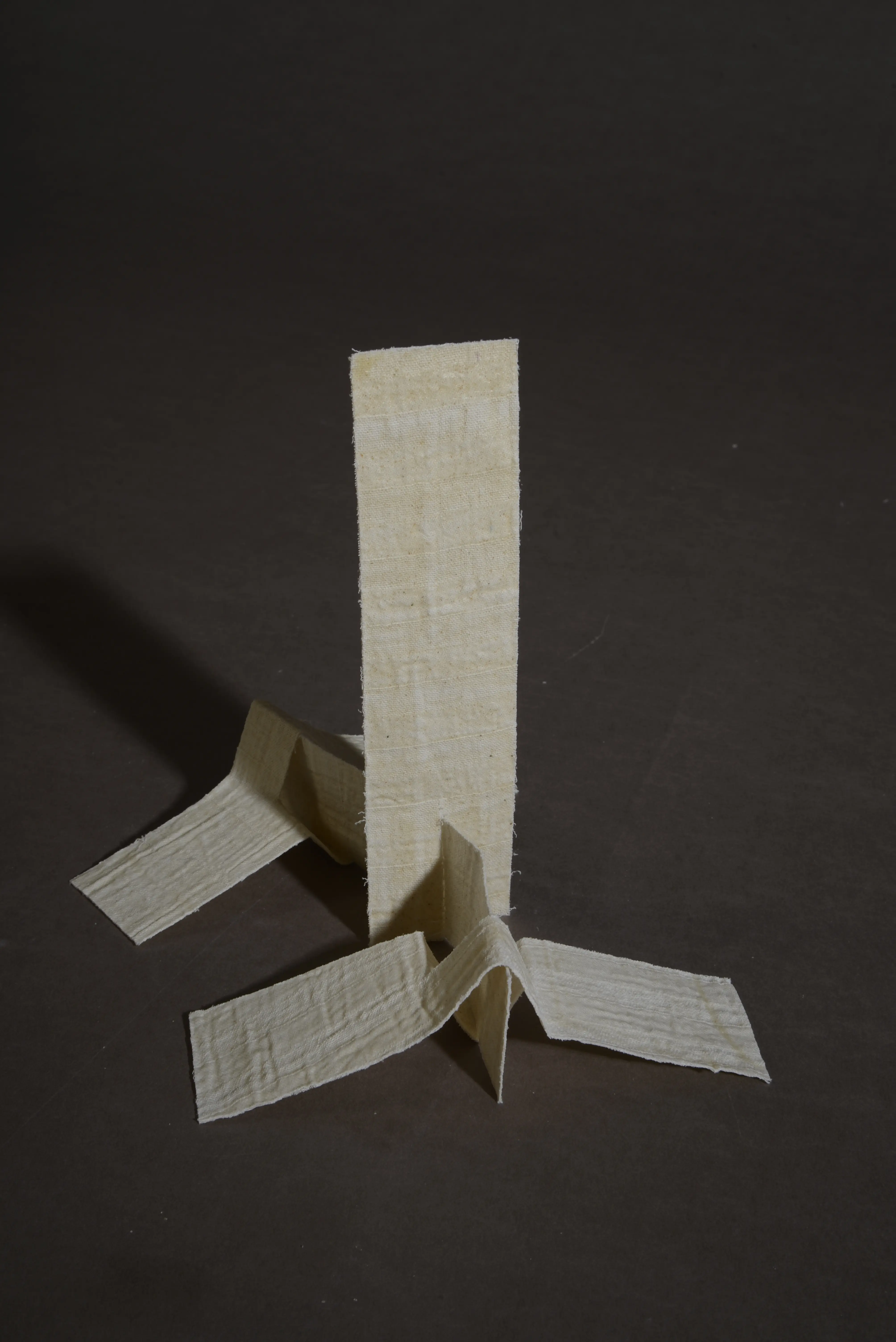
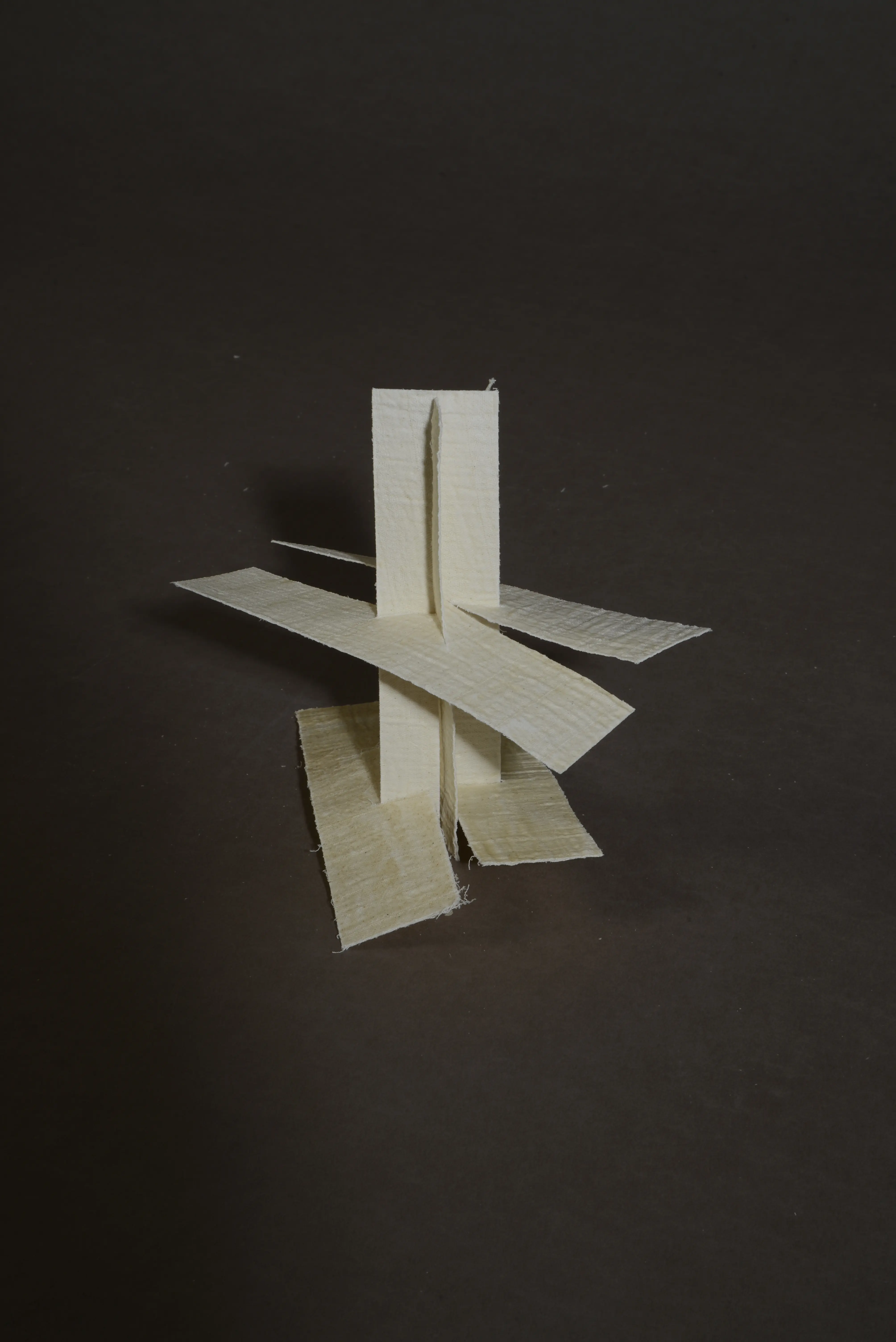
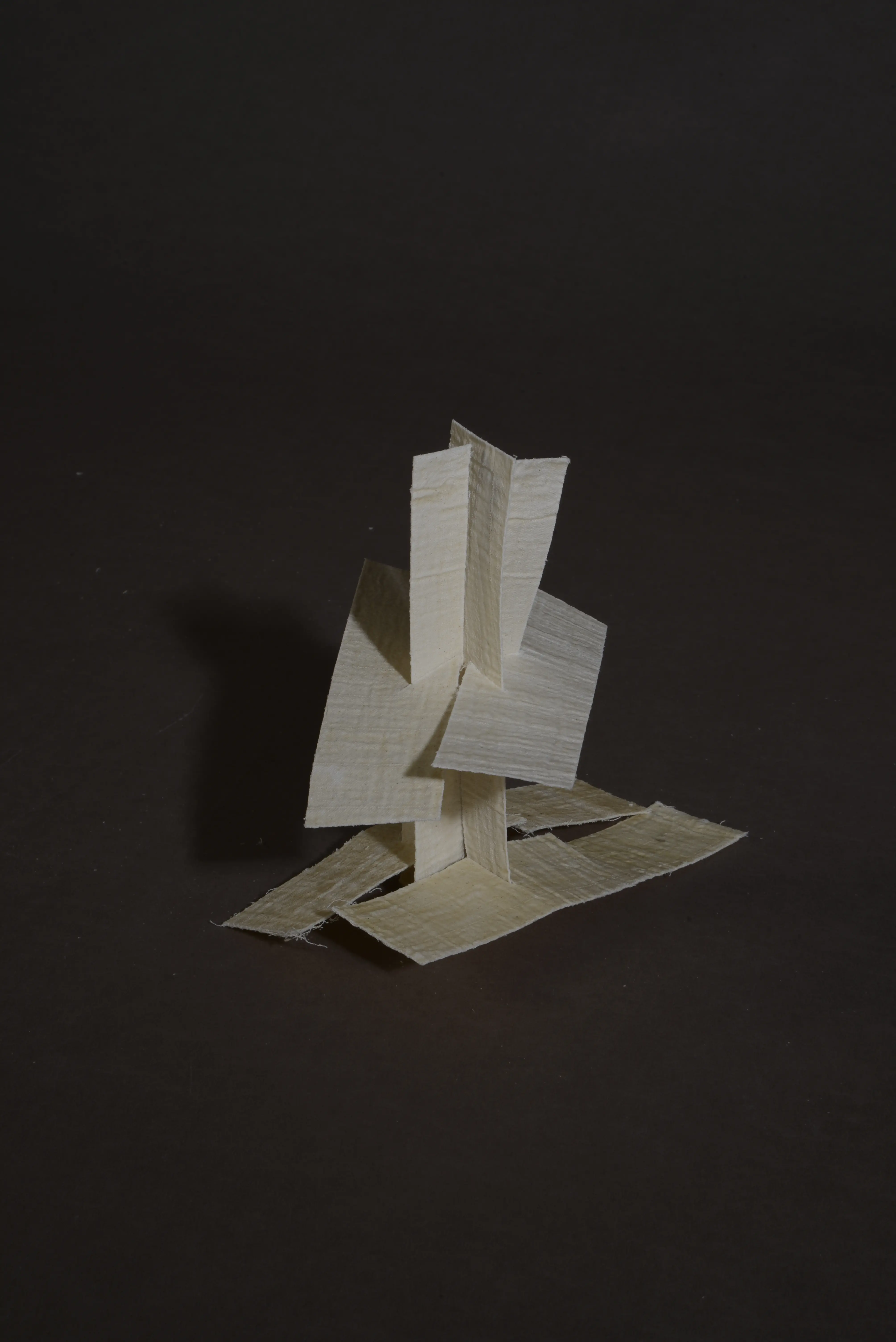
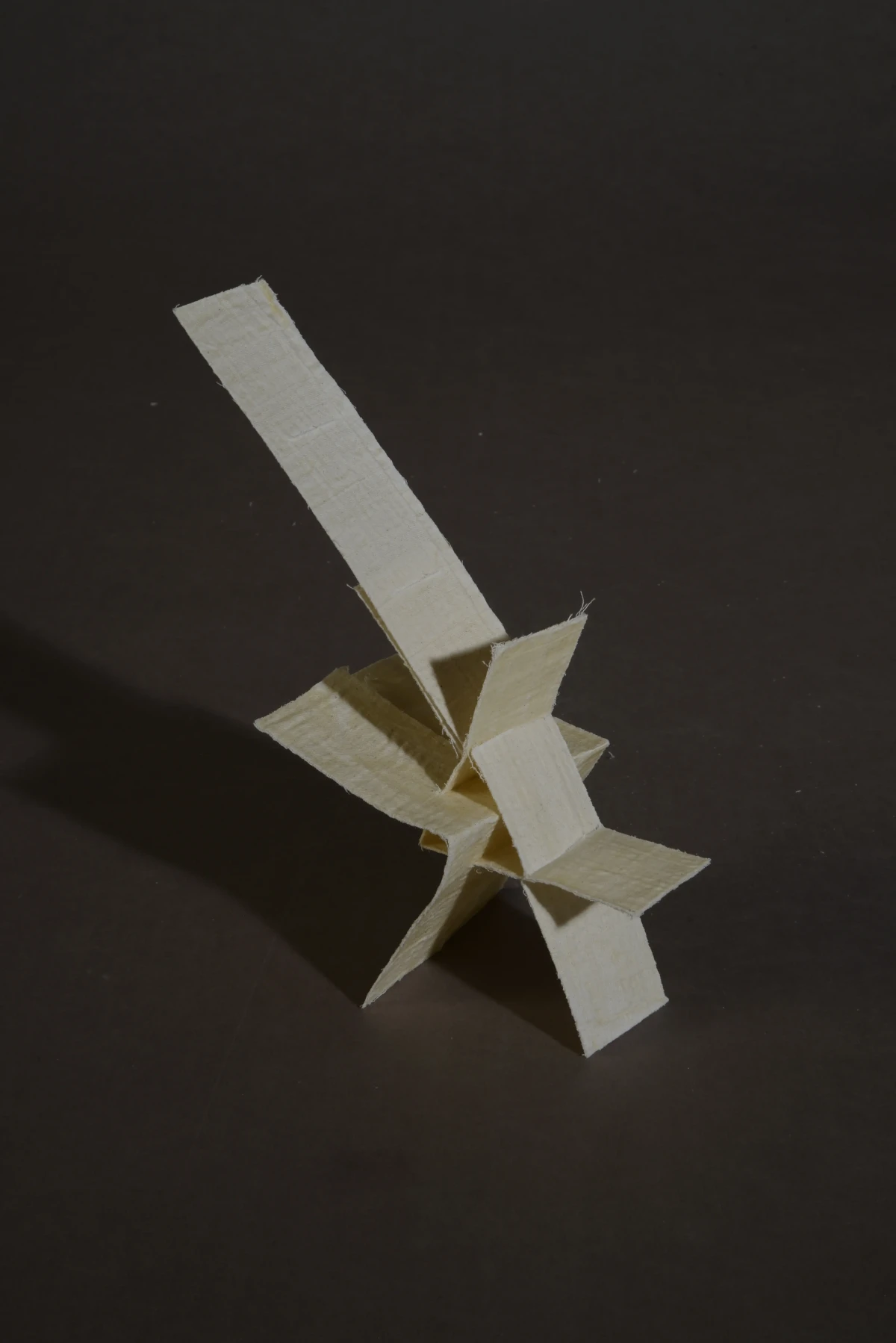
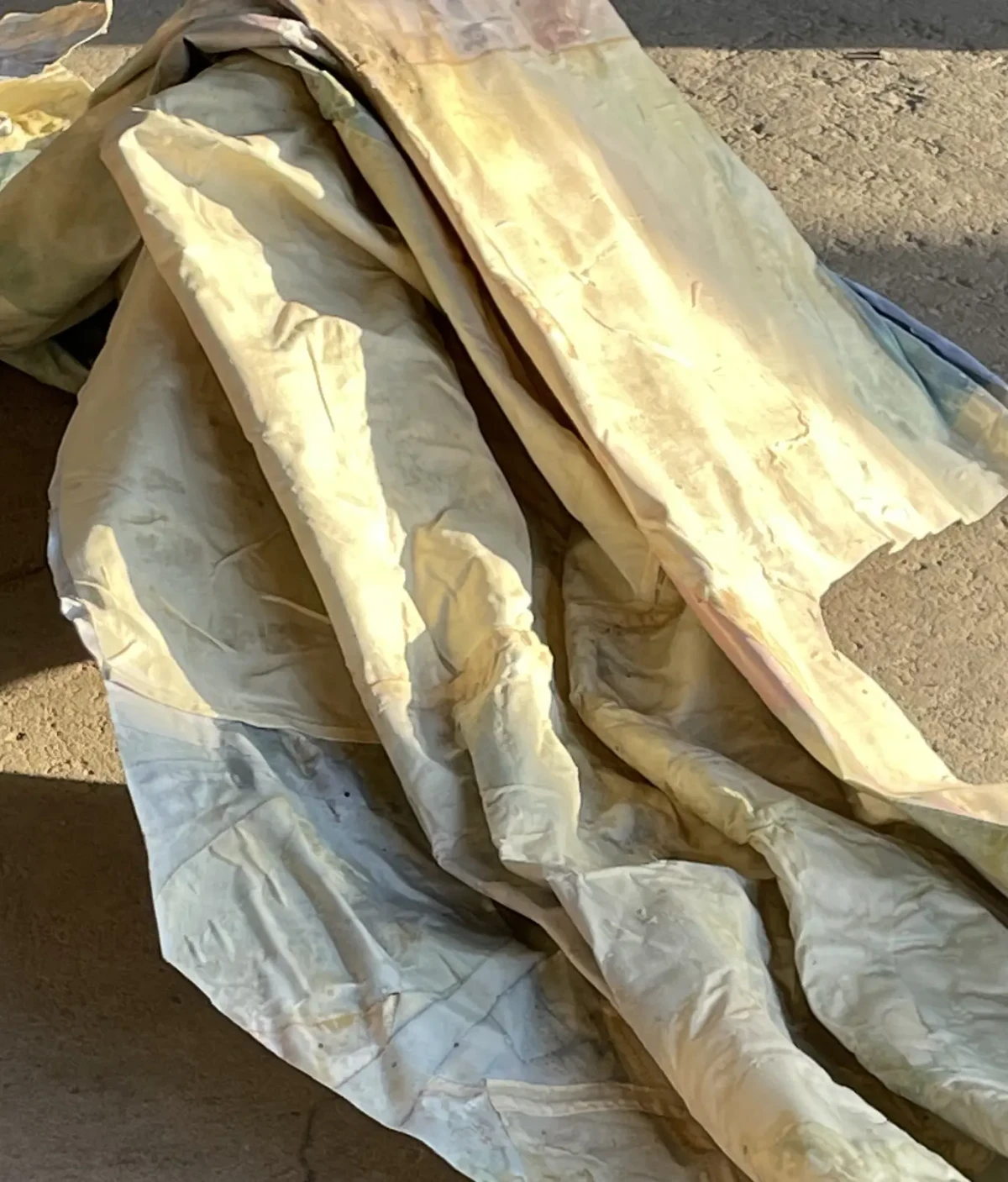
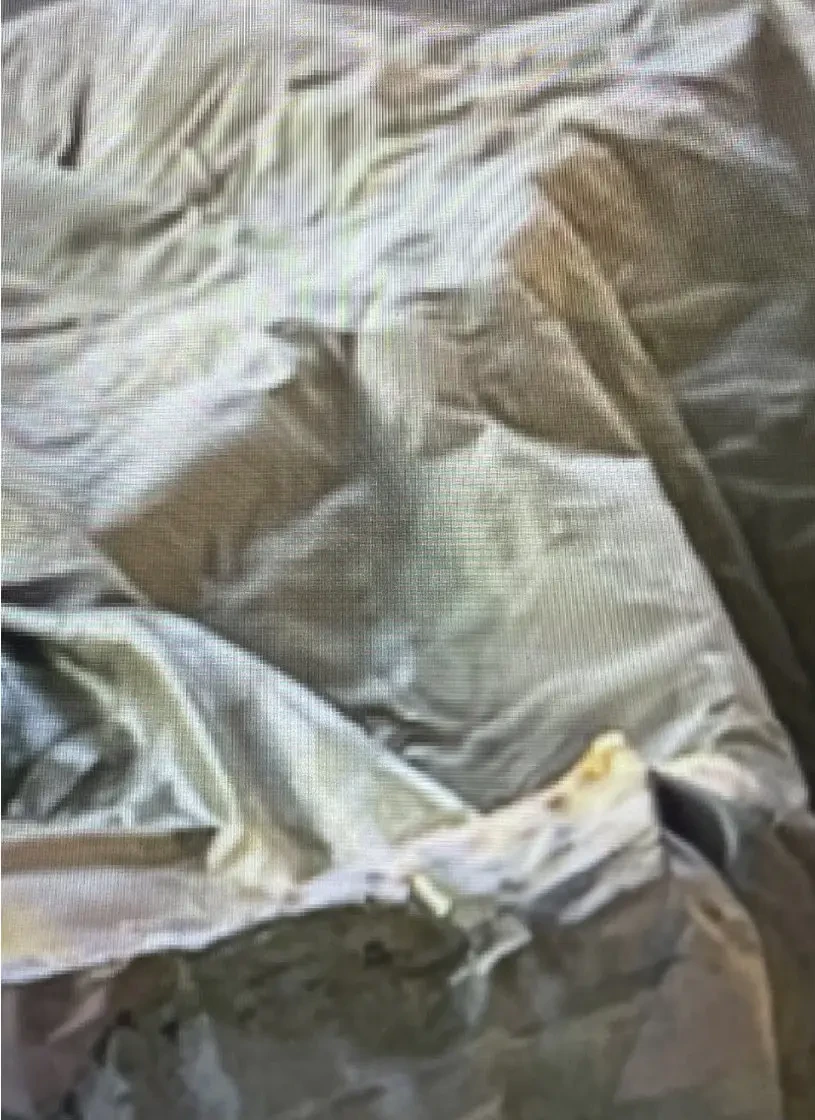
traces how architecture oscillates between the dream of universality and the grounding of situated practice. the juxtaposition of two contradictory figures—my grandmother’s acts of preserving and repurposing, and konrad wachsmann’s modular systems—opens a dialogue between universalism and hyper-locality, between the heroic narrative of progress and the quieter story of care, adaptability, and the unfinished.
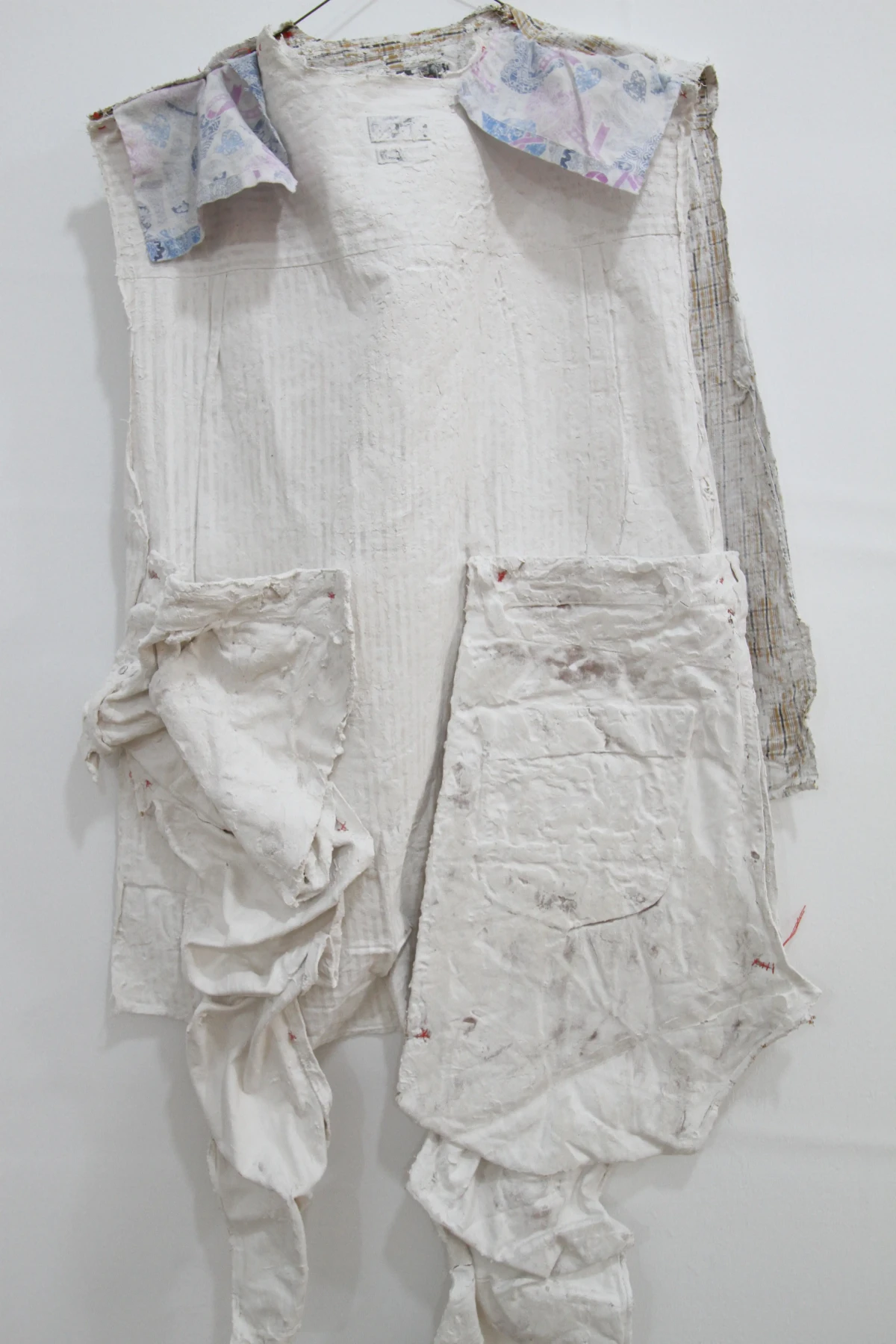
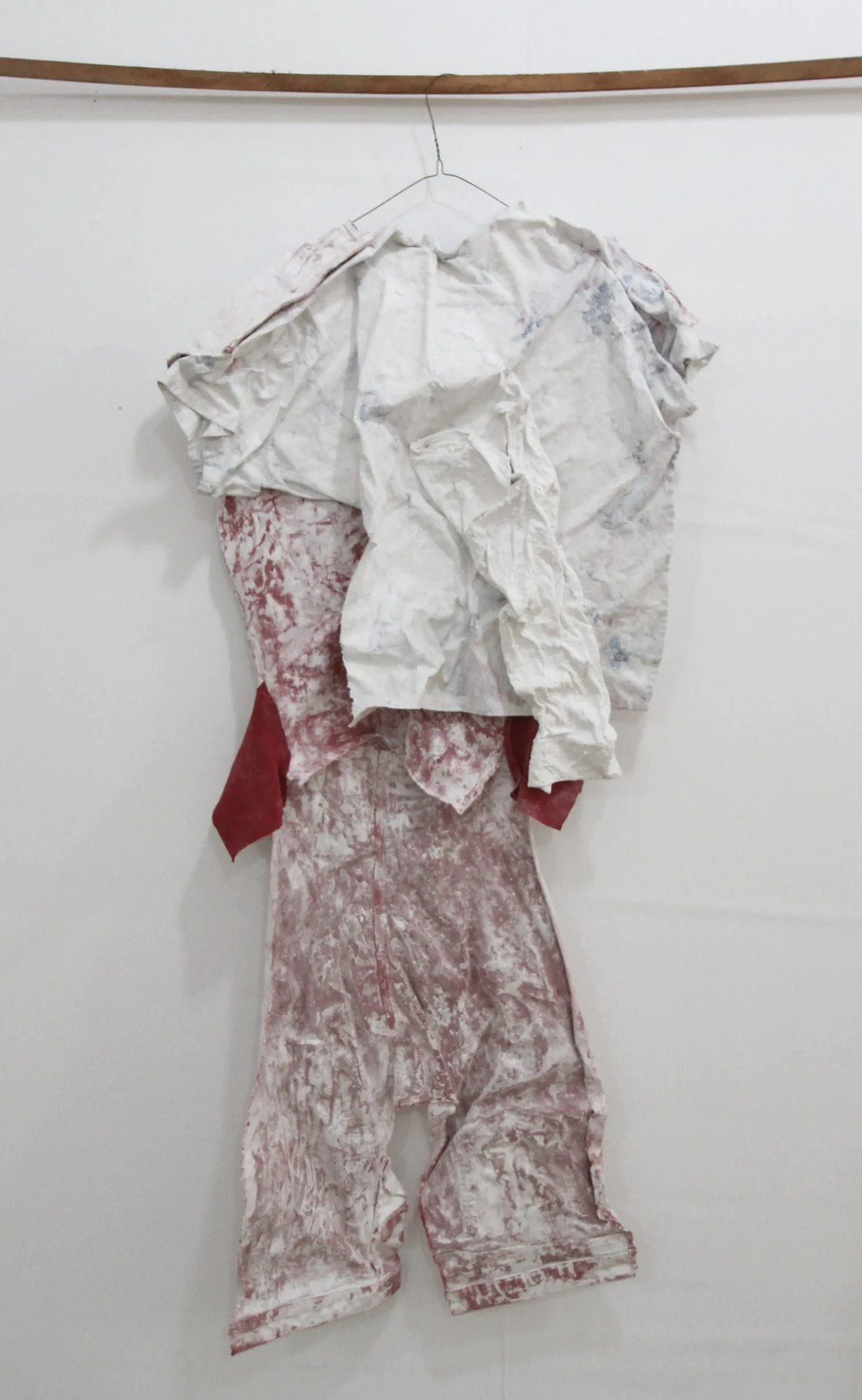
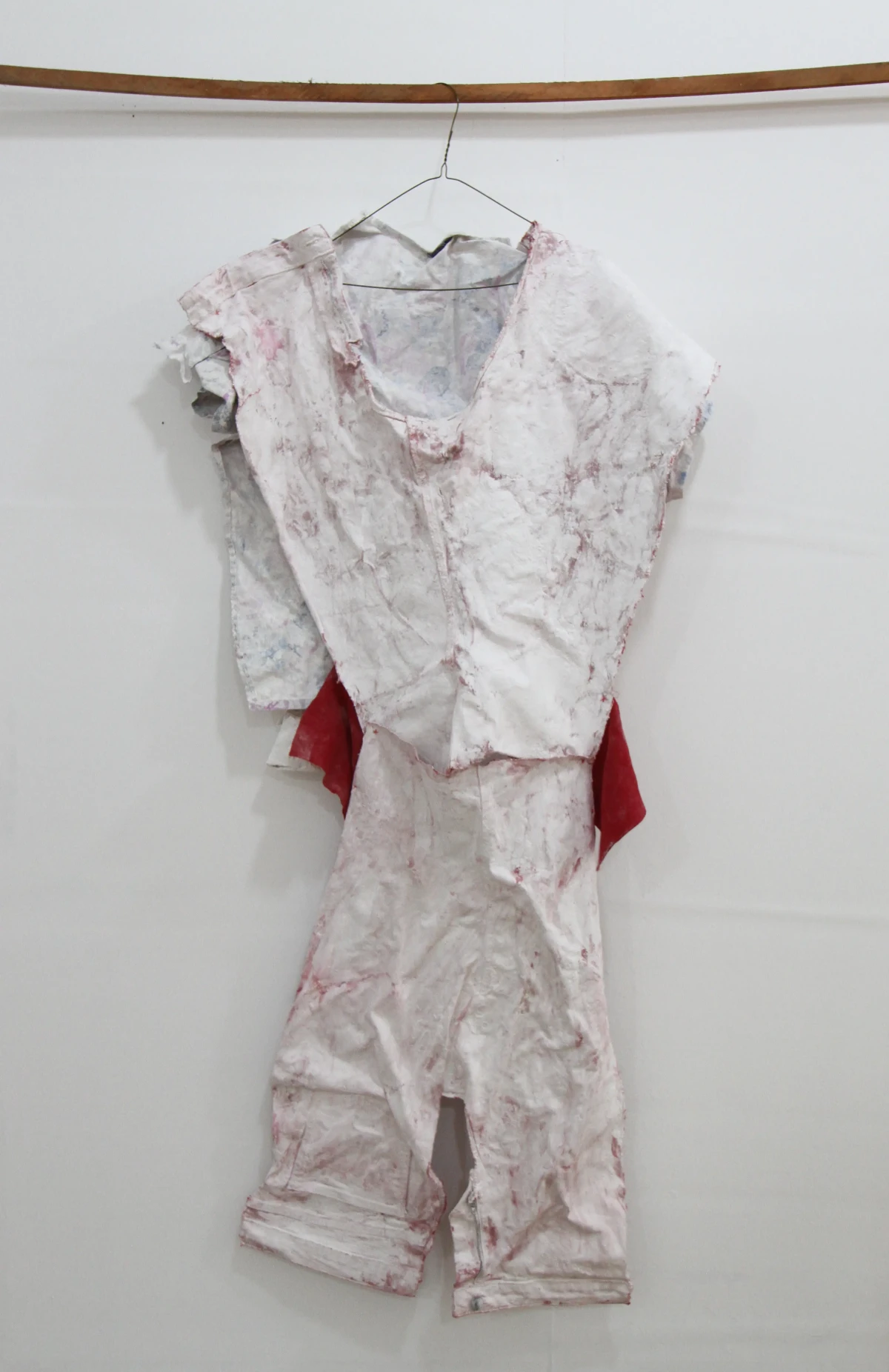
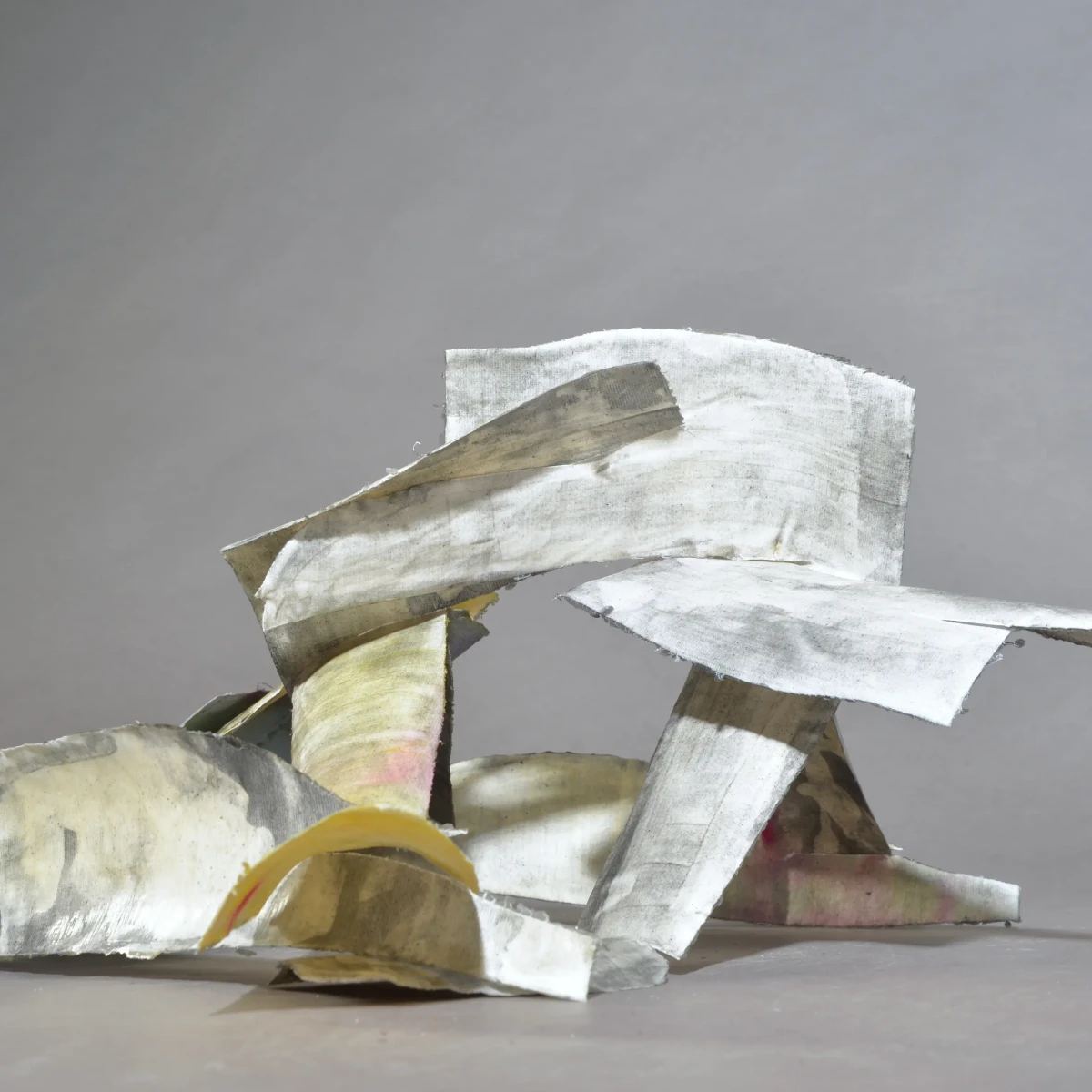
from this tension emerged both an essay and a series of textile sculptures made from coloured and stiffened factory offcuts in germany. fragile architectures, which explore fragmentary joints and provisional connections. rather than striving for absoluteness, they embody cycles of dissolution and reinvention, echoing my grandmother’s gestures of reuse and point towards wachsmann’s structural experiments.

![[150×45x10 cm] - stiffened and colored textile waste - 2025](https://zoebilgeri.xyz/media/pages/work/flat-fish-on-the-wall/9ecab41751-1771588313/01_flat-fish-on-the-wall-1200x.webp)
![[150×45x10 cm] - stiffened and colored textile waste - 2025](https://zoebilgeri.xyz/media/pages/work/flat-fish-on-the-wall/40441486d8-1771588333/02_flat-fish-on-the-wall-1200x.webp)
![[115×85x55cm] - stiffened and colored textile waste - 2026](https://zoebilgeri.xyz/media/pages/work/shell/8d4e0d8ebe-1771668374/big-shell_2026_selection_webp_1-1200x.webp)
![[115×85x55cm] - stiffened and colored textile waste - 2026](https://zoebilgeri.xyz/media/pages/work/shell/6364ce118a-1771668388/big-shell_2026_selection_webp_2-1200x.webp)
![[90×35×25 cm] - stiffened and colored textile waste - 2026](https://zoebilgeri.xyz/media/pages/work/fish-on-the-ground/2ea509185e-1771681251/03_nose-on-the-ground-1200x.webp)
![[95×40×15 cm] - stiffened and colored textile waste - 2026](https://zoebilgeri.xyz/media/pages/work/fish-on-the-ground/42413f4aca-1771681239/06_fish-on-the-ground-1200x.webp)
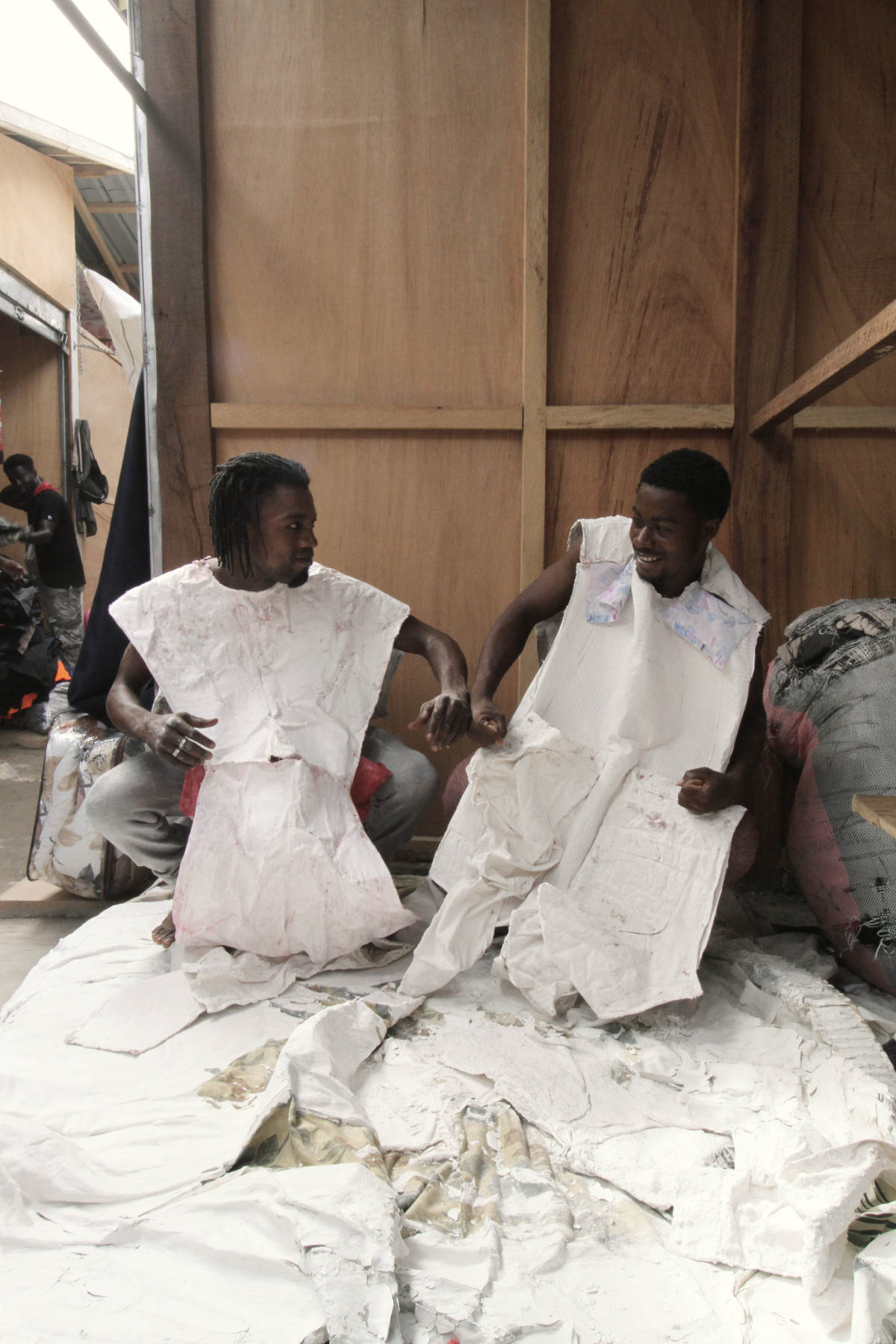
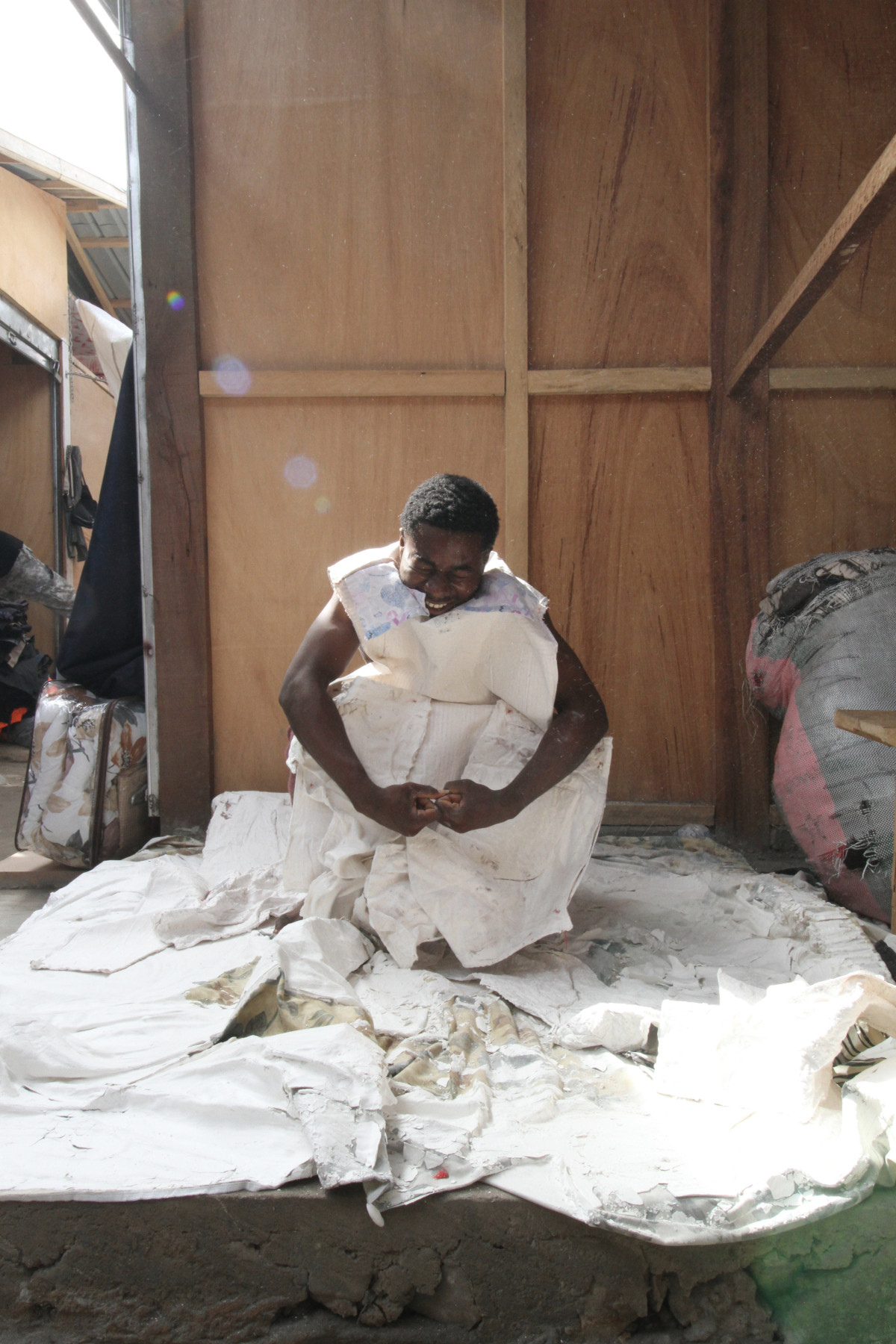
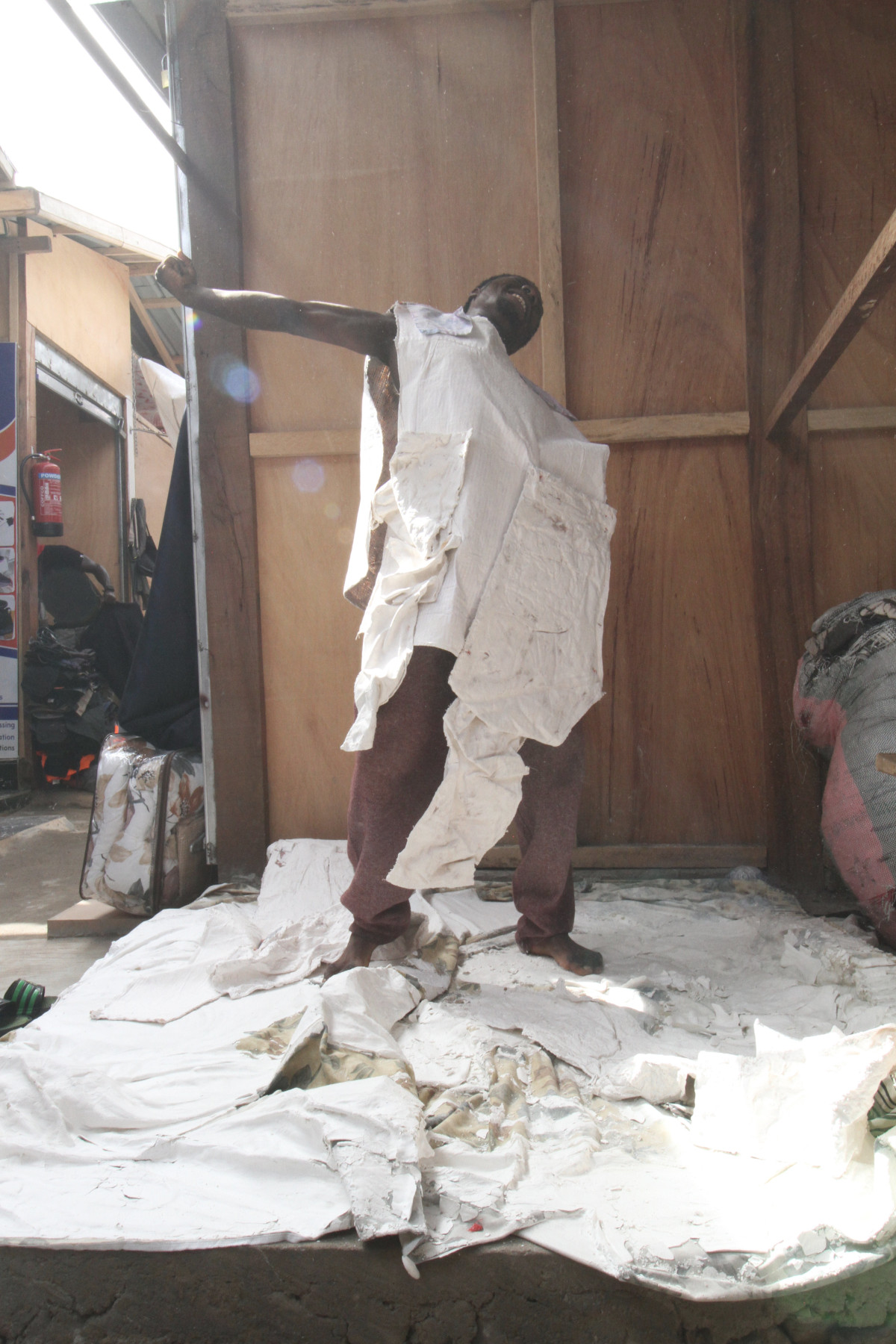
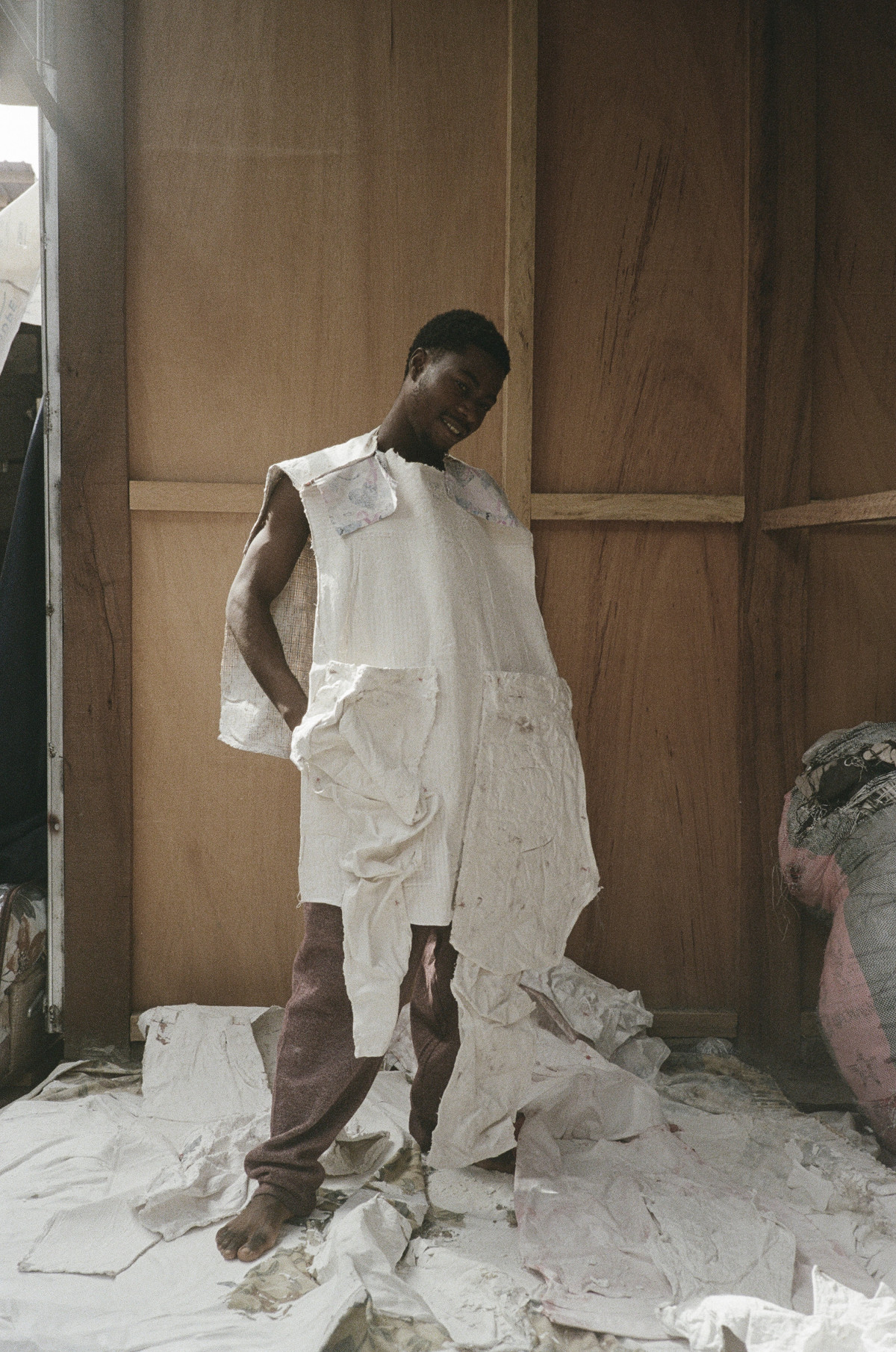
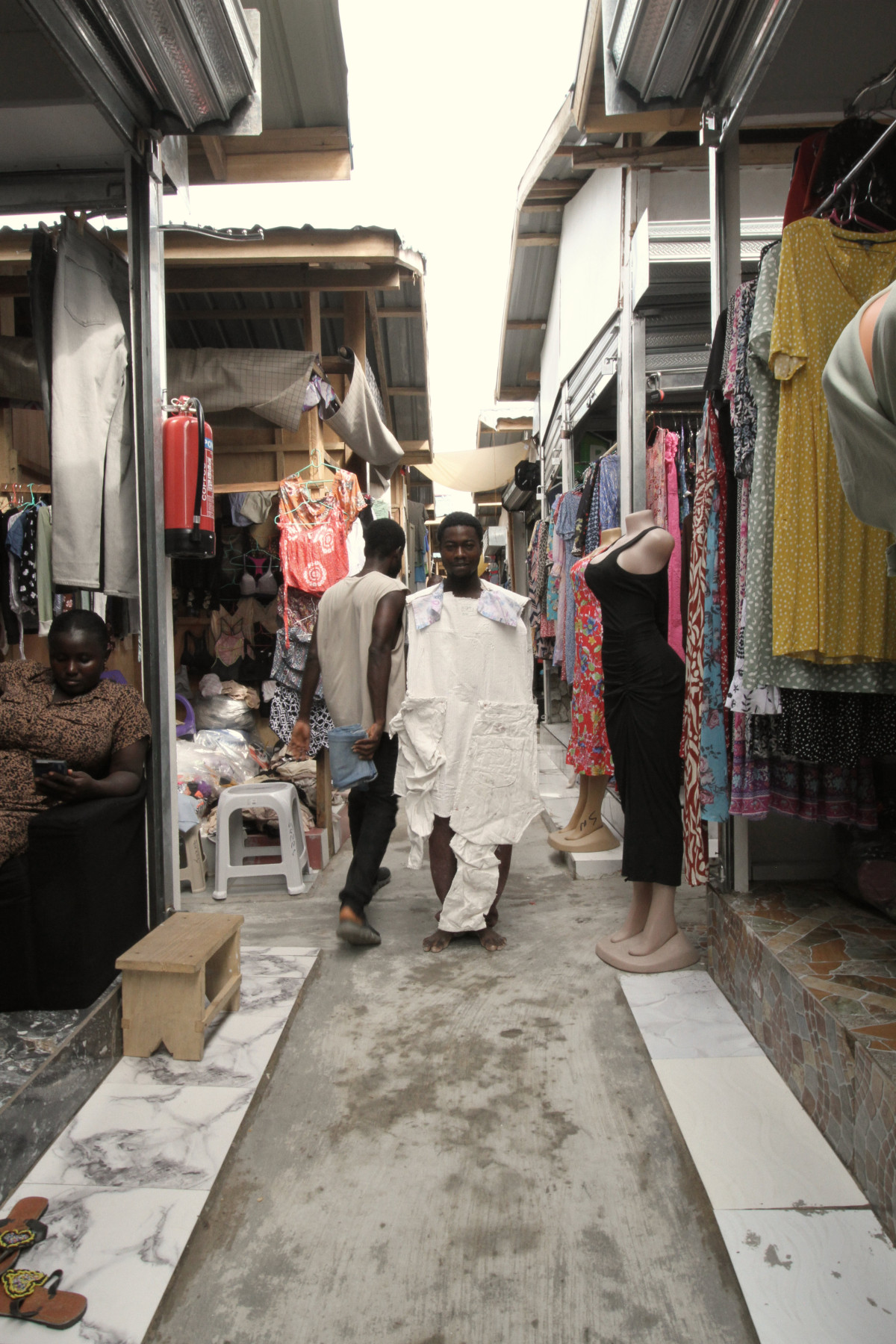
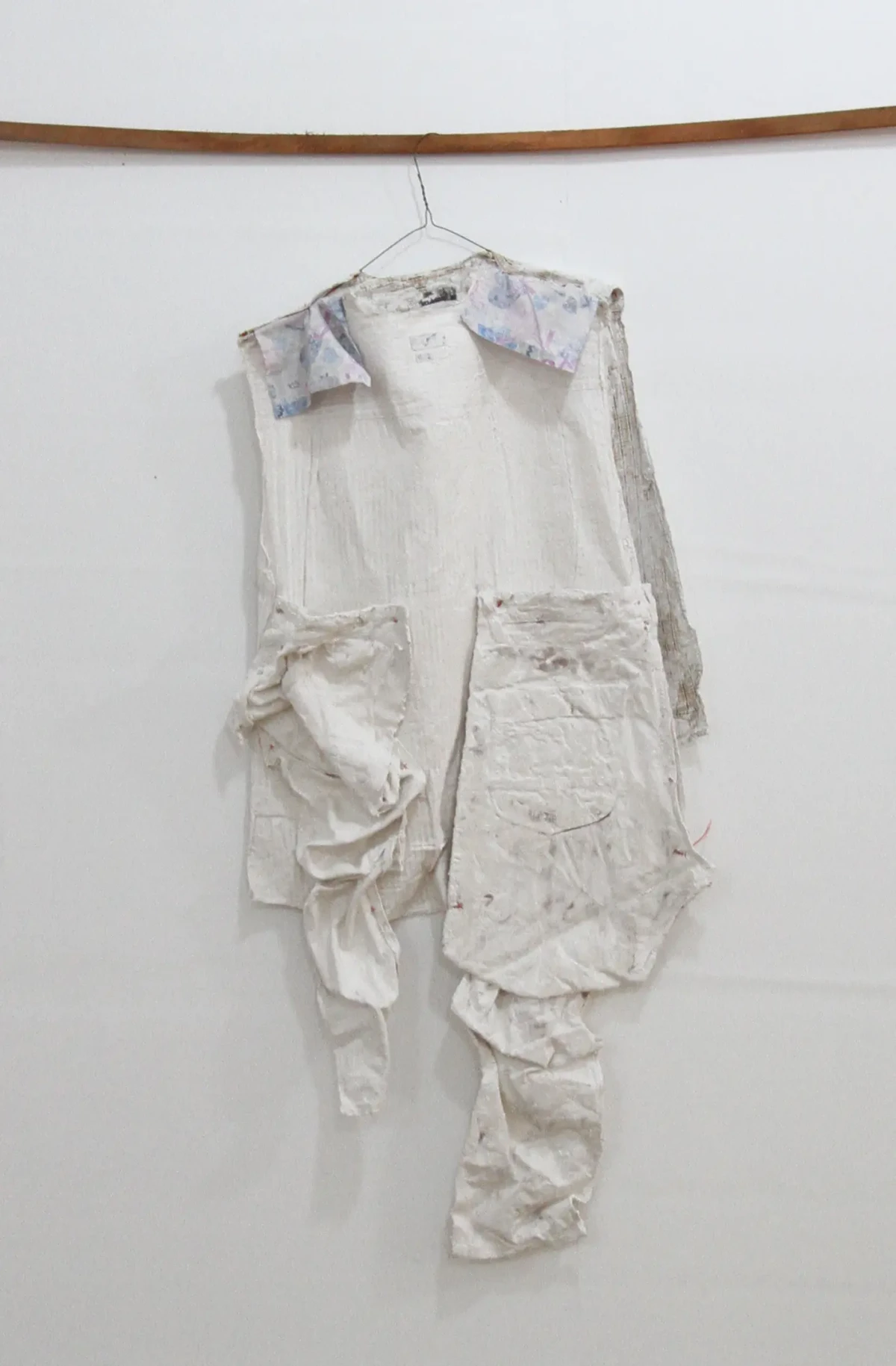
![twin_big [223/98/48 cm] - bone glue stiffened textile remnants - colored with earth and mineral pigments - sealed with tung oil - Zoe Bilgeri/ 2024/ Leipzig](https://zoebilgeri.xyz/media/pages/work/skin-of-the-ground/26f360f7f4-1760086922/03-1200x.webp)
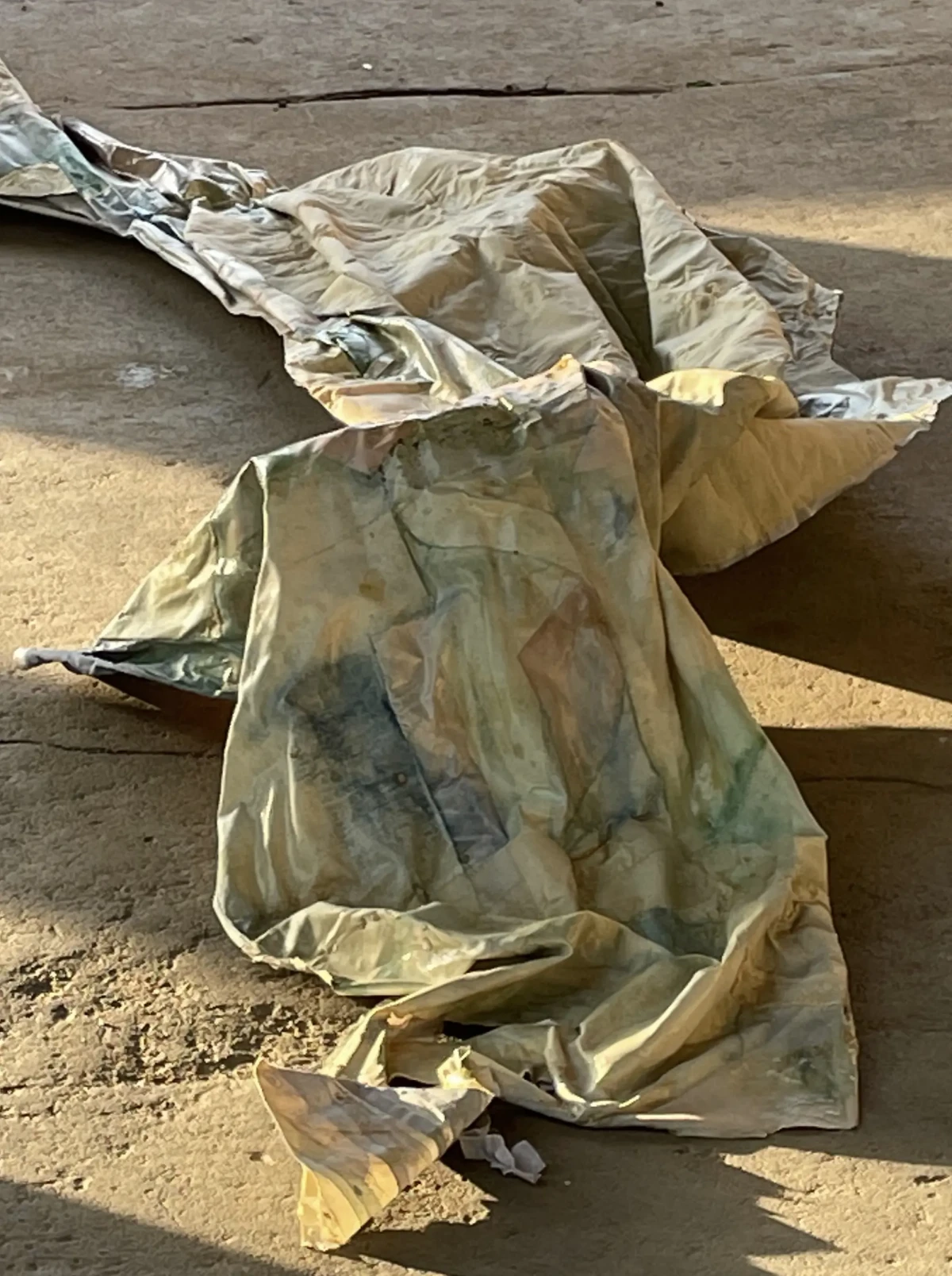
![twin_small [178/98/38 cm] - bone glue stiffened textile remnants - colored with earth and mineral pigments - sealed with tung oil - Zoe Bilgeri/ 2024/ Leipzig](https://zoebilgeri.xyz/media/pages/work/skin-of-the-ground/28a48e1478-1760086922/01-1200x.webp)
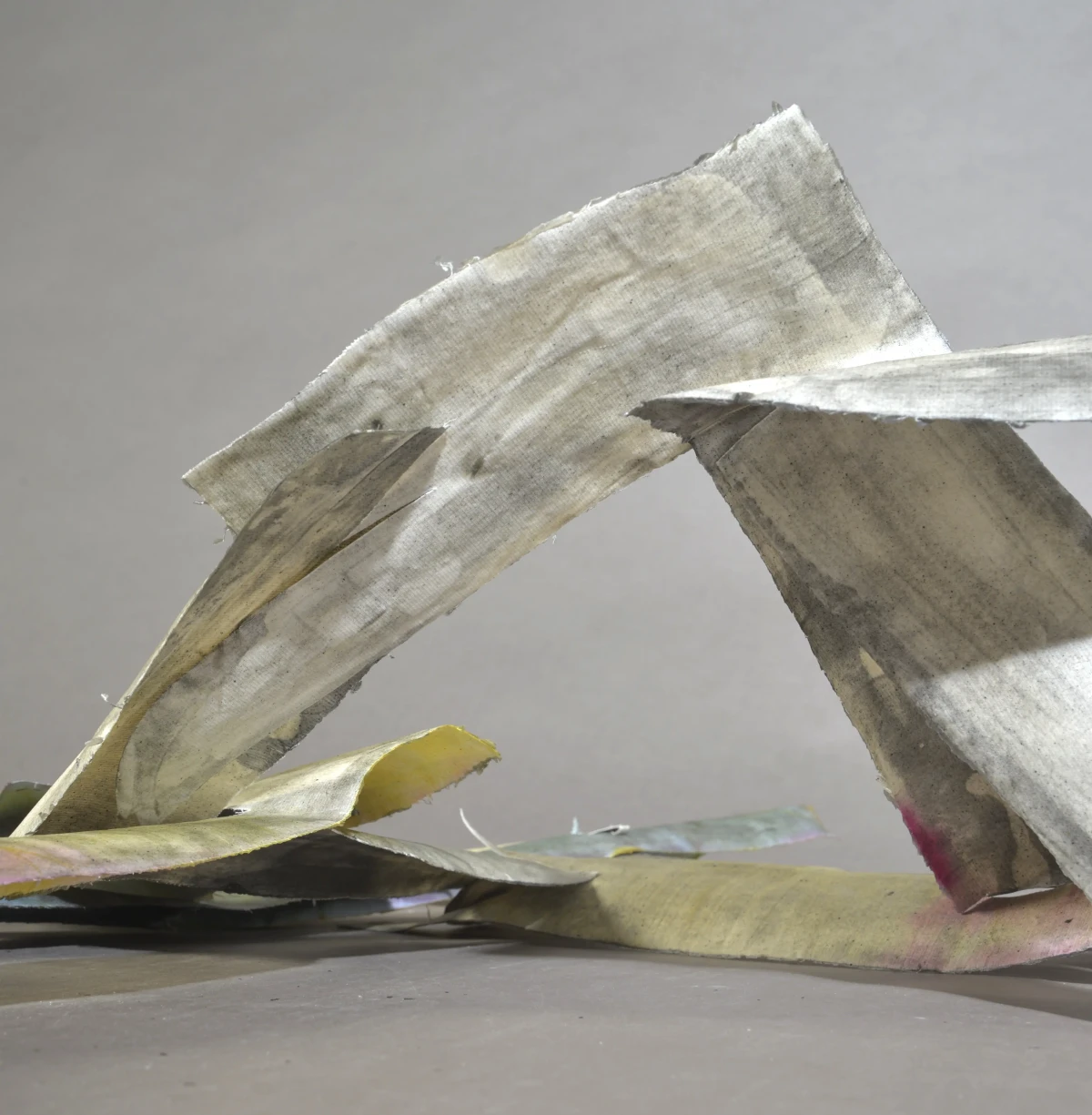
![wachsmann_the first [143/67/53 cm] textile remnants stiffened with flour paste - colored with self-produced pigments - zoe bilgeri/ 2024/ weimar](https://zoebilgeri.xyz/media/pages/work/konrad-wachsmann-and-my-grandmother/ca4dc3a0b0-1759774467/01-1200x.webp)
![wachsmann_the first [143/67/53 cm] textile remnants stiffened with flour paste - colored with self-produced pigments - zoe bilgeri/ 2024/ weimar](https://zoebilgeri.xyz/media/pages/work/konrad-wachsmann-and-my-grandmother/1e238d3306-1759774467/02-1200x.webp)
![wachsmann_the first [143/67/53 cm] textile remnants stiffened with flour paste - colored with self-produced pigments - zoe bilgeri/ 2024/ weimar](https://zoebilgeri.xyz/media/pages/work/konrad-wachsmann-and-my-grandmother/f94a377ad5-1759772663/03-1200x.webp)
![wachsmann_the second [142/42/39 cm] textile remnants stiffened with flour paste - colored with self-produced pigments - zoe bilgeri/ 2024/ weimar](https://zoebilgeri.xyz/media/pages/work/konrad-wachsmann-and-my-grandmother/4ce083ac64-1759774468/04-1200x.webp)
![wachsmann_the second [142/42/39 cm] textile remnants stiffened with flour paste - colored with self-produced pigments - zoe bilgeri/ 2024/ weimar](https://zoebilgeri.xyz/media/pages/work/konrad-wachsmann-and-my-grandmother/1c0b93b354-1759774471/05-1200x.webp)
![wachsmann_the second [142/42/39 cm] textile remnants stiffened with flour paste - colored with self-produced pigments - zoe bilgeri/ 2024/ weimar](https://zoebilgeri.xyz/media/pages/work/konrad-wachsmann-and-my-grandmother/6adec16bf4-1759772663/06-1200x.webp)
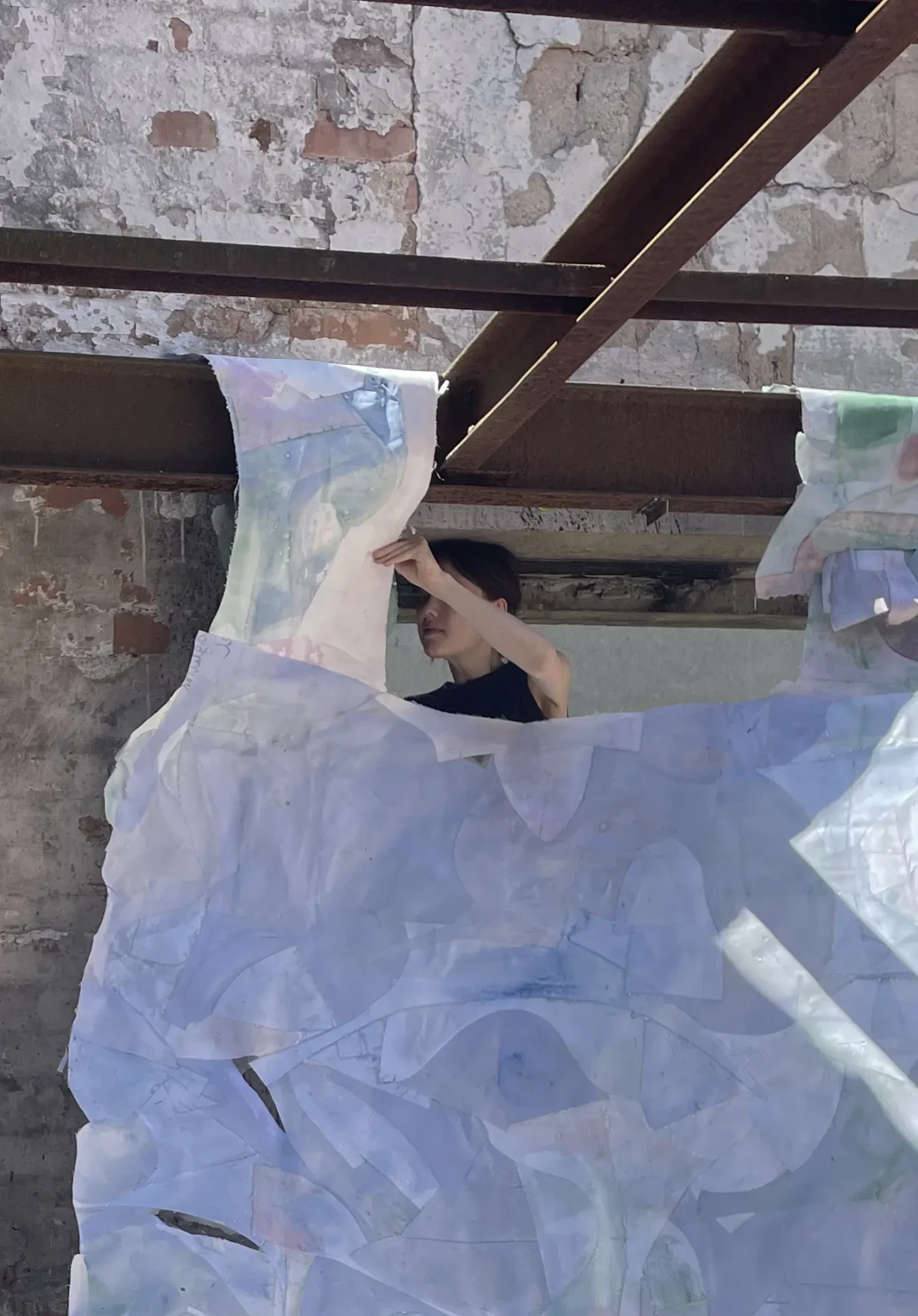
![hold me [212/439 cm] - textile remnants stiffened with bone glue - coloured with mineral pigments and coated with tung oil - zoe bilgeri/ 2024/ leipzig](https://zoebilgeri.xyz/media/pages/work/fragile-arms/30546241eb-1760096330/01-1200x.webp)
![hold me [212/439 cm] - textile remnants stiffened with bone glue - coloured with mineral pigments and coated with tung oil - zoe bilgeri/ 2024/ leipzig](https://zoebilgeri.xyz/media/pages/work/fragile-arms/0234a6e5e6-1760096331/02-1200x.webp)
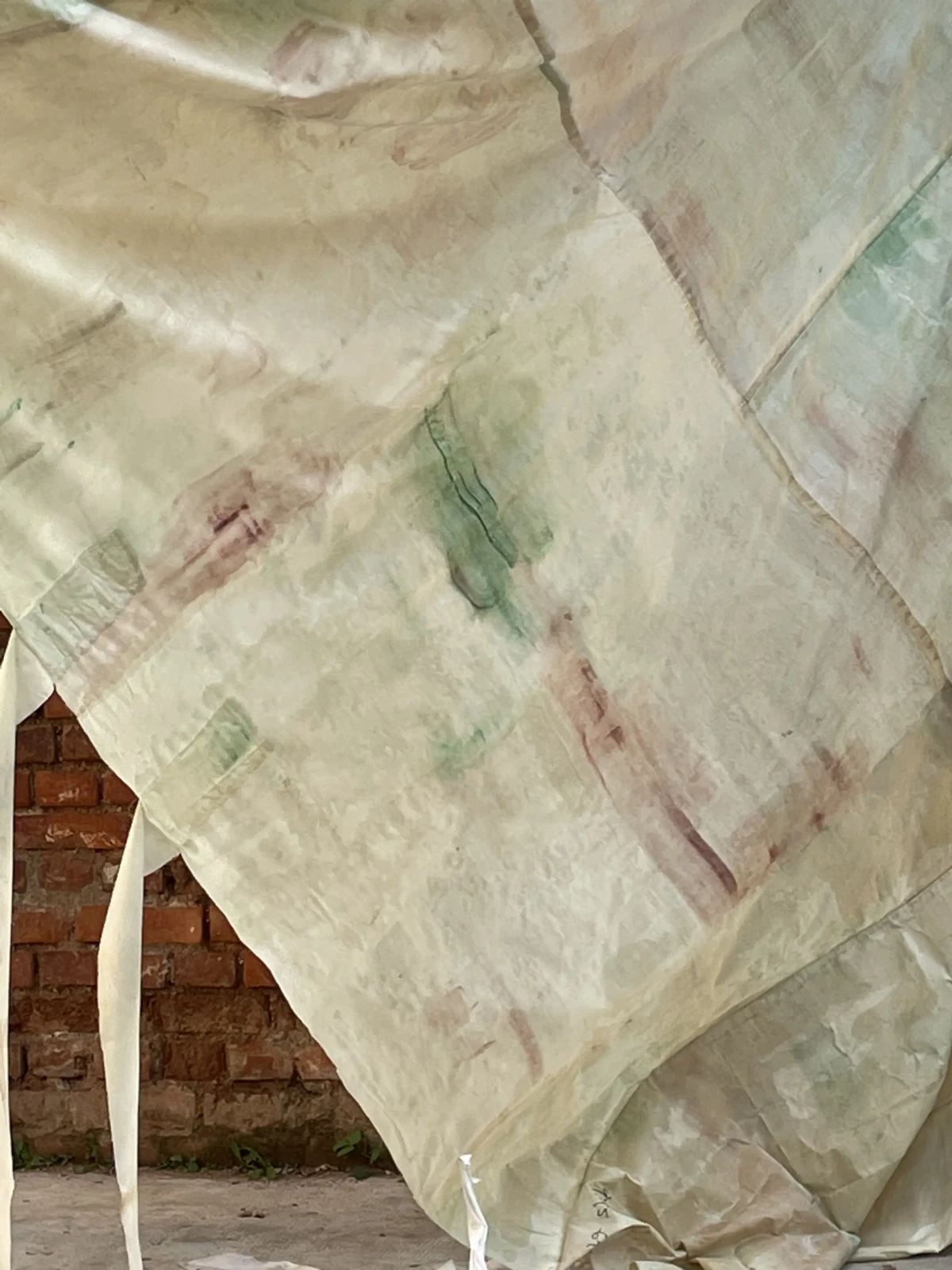
![leave me [212/445 cm] textile treated with wax - coloured with mineral pigments and coated with tung oil - zoe bilgeri/ 2024/ leipzig](https://zoebilgeri.xyz/media/pages/work/fragile-arms/adcf545a72-1760096330/04-1200x.webp)
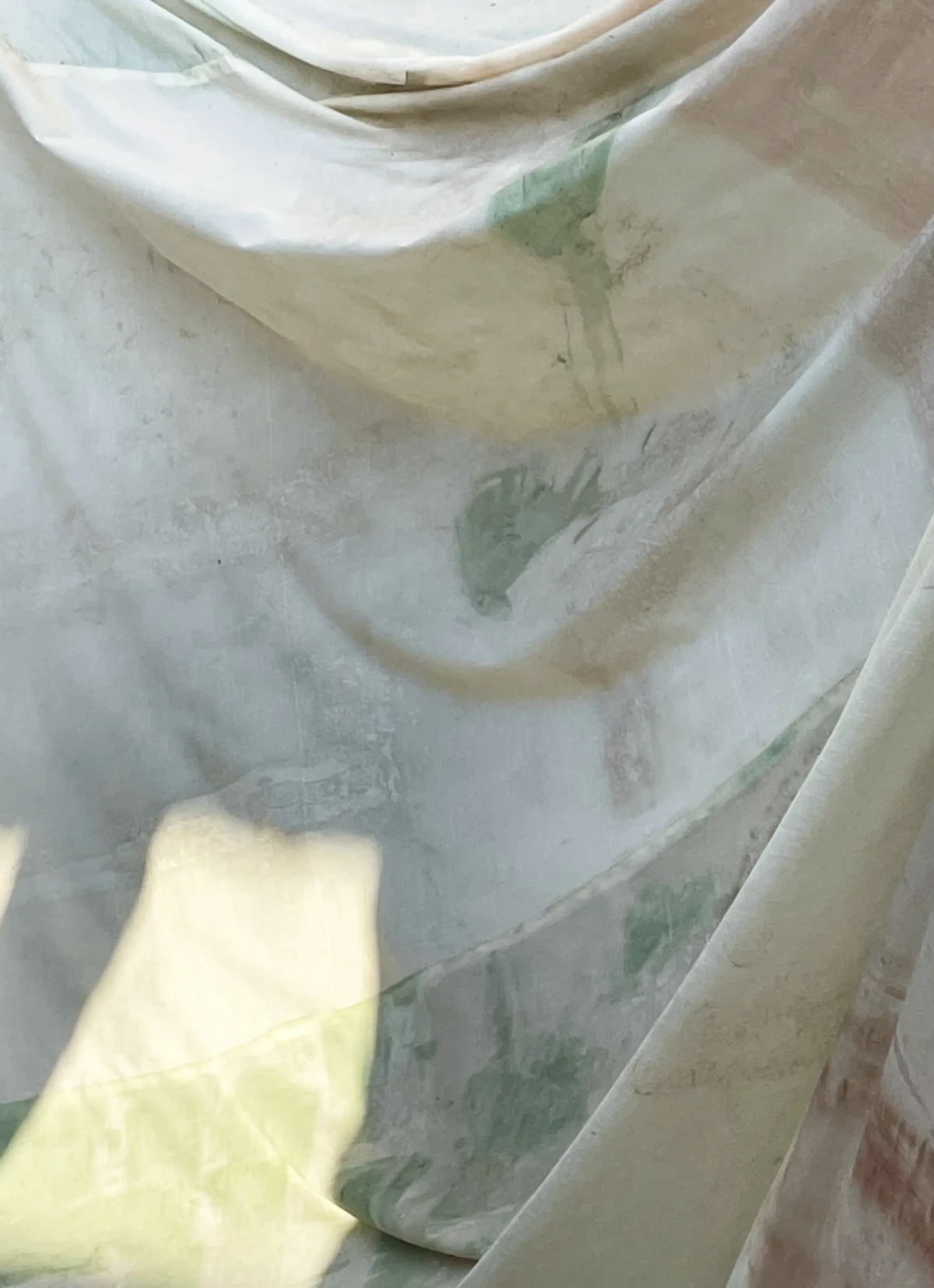
![leave me [212/445 cm] textile treated with wax - coloured with mineral pigments and coated with tung oil - zoe bilgeri/ 2024/ leipzig](https://zoebilgeri.xyz/media/pages/work/fragile-arms/d26676a83c-1760096330/06-1200x.webp)
![touch me [189/423 cm] textile waste glued and stiffened with bone glue - coloured with mineral pigments and coated with tung oil - zoe bilgeri/ 2024/ leipzig](https://zoebilgeri.xyz/media/pages/work/fragile-arms/c7176b7a0d-1760096331/07-1200x.webp)
![touch me [189/423 cm] textile waste glued and stiffened with bone glue - coloured with mineral pigments and coated with tung oil - zoe bilgeri/ 2024/ leipzig](https://zoebilgeri.xyz/media/pages/work/fragile-arms/84ed5ace77-1760096331/08-1200x.webp)
![[32/19/43 cm] glued, stiffened, coloured textile waste - zoe bilgeri/ 2025/ zuerich](https://zoebilgeri.xyz/media/pages/work/remnant-of-a-bird/7bb4ea9246-1765285027/01_a-fragile-bird_2025-1200x.webp)
![[32/19/43 cm] glued, stiffened, coloured textile waste - zoe bilgeri/ 2025/ zuerich](https://zoebilgeri.xyz/media/pages/work/remnant-of-a-bird/16382a4f13-1765285027/02_a-fragile-bird_2025-1200x.webp)
![a shape [12/34/2 cm] textile remnants stiffened with flour paste - colored with self-produced pigments - zoe bilgeri/ 2024/ weimar](https://zoebilgeri.xyz/media/pages/research/to-hold-a-shape/4161b780dd-1759929217/mehlkleister_farbe_weimar_2024_3-1200x.webp)
![a shape [34/32/8 cm] textile remnants stiffened with flour paste - colored with self-produced pigments - zoe bilgeri/ 2024/ weimar](https://zoebilgeri.xyz/media/pages/research/to-hold-a-shape/b7af2b4aca-1759929217/mehlkleister_farbe_weimar_2024_5-1200x.webp)
![a shape [23/34/6 cm] textile remnants stiffened with flour paste - colored with self-produced pigments - zoe bilgeri/ 2024/ weimar](https://zoebilgeri.xyz/media/pages/research/to-hold-a-shape/bdb0f71319-1759929217/mehlkleister_farbe_weimar_2024_2-1200x.webp)
![a shape [14/24/5 cm] textile remnants stiffened with flour paste - colored with self-produced pigments - zoe bilgeri/ 2024/ weimar](https://zoebilgeri.xyz/media/pages/research/to-hold-a-shape/744e8682ac-1759929217/mehlkleister_farbe_weimar_2024_4-1200x.webp)
![a shape [21/40/3 cm] textile remnants stiffened with flour paste - colored with self-produced pigments - zoe bilgeri/ 2024/ weimar](https://zoebilgeri.xyz/media/pages/research/to-hold-a-shape/ae3bdc2386-1759929217/mehlkleister_farbe_weimar_2024_1-1200x.webp)